

Enhanced Recovery After Surgery: Our mission is for you to come into hospital as strong as possible, ready for your surgery, and to make a quick recovery. In order to achieve this, we will use the Enhanced Recovery After Surgery programme (ERAS) to optimise your nutrition, mobility and pain relief around the time of your operation.
Leaflet Details
| Title | Enhanced Recovery After Surgery |
| Department | Colorectal Surgery |
| Author(s) | Marta Correia |
| Review Date | August 2022 |
| Next Review | March 2024 |
| Download | A5 Booklet PDF |
| Accessibility Options | Click on the Recite Me button to show our accessibility resources |
Patient Information
Contents
- Introduction
- BEFORE YOUR SURGERY: Preparing for your hospital stay
- BEFORE YOUR SURGERY: Getting Fit for Surgery
- AFTER YOUR SURGERY: What happens after surgery?
- When Will I Go Home?
- When Can I Go Back to Work
- You Leave the Hospital
- Pain
- Your Wound
- Bathing and showering
- Bowels
- Diet and Fluids
- Returning to Normal Activities
- Driving
- Diet Sheet
- Low Fibre Diet
- Clear fluids
- Free fluids
- Exercise Guide
- Useful Contact Numbers
Introduction
We look forward to welcoming you to Ashford and St. Peter’s Hospital for your operation.
Our mission is for you to come into hospital as strong as possible, ready for your surgery, and to make a quick recovery. In order to achieve this, we will use the Enhanced Recovery After Surgery programme (ERAS) to optimise your nutrition, mobility and pain relief around the time of your operation. There is strong evidence that by following the ERAS Programme you will recover faster from your operation, with fewer complications.
Enhanced Recovery involves staff caring for you, (anaesthetists, nurses, dietitians, physiotherapists and surgeons) helping you to follow a clearly defined programme and most importantly requires your participation to make it work.
Together we will use as many parts of the programme that are suitable for you to achieve the best recovery.
The Key Parts are:
- Having a nutritional high energy drinks before and soon after your operation leading to early return to a normal diet.
- Having a good pain relief.
- Getting out of bed and walking soon after your operation.
- Getting home as soon as possible. This will be discussed with you, by your consultant or specialist nurses prior to your surgery.
BEFORE YOUR SURGERY: Preparing for your hospital stay
It is important for you to be thinking about planning your discharge, before you go into hospital. You can prepare by arranging help and support before you come in such as:
- Make sure you know who can come and collect you from hospital. Please bring their contact details with you
- Ask friends and relatives if they can come to stay or visit to help around the house when you get home
- Arrange for a friend or relative to do some shopping for you or make extra portions of food to freeze or purchase ready meals and convenience foods that you can freeze for use in the first couple of weeks
- Get up to date on your housework before you come into hospital, this will reduce the load when you get home
- Arrange additional childcare or help with school runs where necessary
- Arrange care for your pets, if necessary
If you have any requirements that need to be put in place before you go home, or any concerns or queries, please talk to your clinical nurse specialist, key worker, pre-assessment nurse or doctor before you come in to hospital
BEFORE YOUR SURGERY: Hospital bag checklist
- Your admission letter
- Comfortable day clothes
- Pyjamas / nightdress and dressing gown.
- Clean underwear
- Well-fitting slippers that grip (preferably with front and back cover)
- Toiletries - soap, shampoo, deodorant, toothbrush, toothpaste, antibacterial mouthwash.
- Sanitary towels or tampons
- Razor and shaving materials
- Comb or hairbrush
- Medications that you would normally take (prescribed, over the counter and supplements). It is ideal that you bring these in their original packaging. Also ensure that you have at least 2 weeks’ worth of your medications in preparation for when you are discharged
- Spectacles or contact lenses with case
- Notebook and pen
- Address book and important phone numbers, including your GP's contact details
- Small change for newspapers and other small items
- Your house keys for when you are discharged
- Your own CPAP machine if you have sleep apnoea
BEFORE YOUR SURGERY: Getting Fit for Surgery
Anaemia
We will check your blood count prior to your operation. If we find that you are anaemic (low in red blood cells) we may organise for you to have:
- Iron supplementation - depending on the date of your surgery, we may arrange for this to be given through a drip (iron infusion) at the infusion suite in Ashford Hospital or in tablet form which can be prescribed by your GP.
- Blood transfusion
Smoking and Alcohol
If you are a smoker, you are strongly advised to stop smoking prior to your surgery. Smoking is known to increase the risk of complications following major surgeries which may result in slower recovery and longer hospital stay.
Here are some places where you can get more information about stopping smoking:
- GP or health centre
- https://oneyousurrey.org.uk/
- https://www.nhs.uk/better-health/quit-smoking/
- Smoke free National Helpline Tel: 0300 123 1044
You should reduce alcohol consumption prior to your operation. Ideally you should not have any alcohol up to one week prior to your surgery.
Exercise
It is important that you are as physically fit as possible for your operation. There will be a period of waiting before you have your surgery and, you can optimise this time by cardiovascular (can increase your heart and breathing rate), muscle strengthening and breathing exercises.
If you are limited in the type and amount of exercise you are able to do, use the daily activities as modes of exercise e.g. increase the number of times you climb stairs, etc. Please take some form of daily exercise such as walking or light gym practice / swimming.
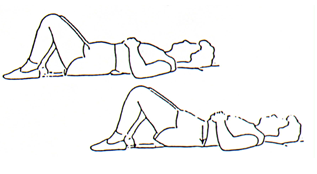
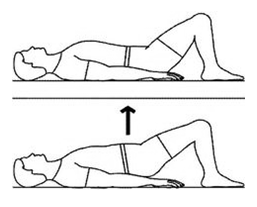
Here are some examples of muscle strengthening exercises that you can do at home:
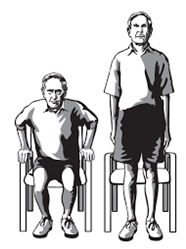
- Sit to stand
- Mini-squats
- Sideways leg lift
- Leg extension
- Wall press-up
- Biceps curls
Exercising your lungs through deep breathing exercise can also reduce the risk for chest infection following surgery. At home, you can do this by following the steps below:
- Relax your shoulders and upper chest.
- Take a slow, deep breath in through your nose to fill your lungs as fully as you can.
- Hold your breath for three seconds, if able.
- Breathe out slowly through your mouth.
- Repeat four to five times then rest. Doing more than this may make you feel light-headed
Aim to practice deep breathing exercises for at least three times a day.
|
|
If you feel unwell (i.e. feeling dizzy or feeling excessively breathless) while doing any exercise, stop and consult your GP. |

For more details on the exercises suggested above, please see the back of this booklet. You may also wish to visit the Ashford and St. Peter’s youtube channel on https://www.youtube.com/watch?v=flOnW-EAKBg Or NHS website https://www.nhs.uk/live-well/exercise/strength-exercises/
For patients 65 years old and above, you may wish to follow the exercises suggested on the NHS website:
https://www.nhs.uk/live-well/exercise/
Please note that this video content is hosted by YouTube, and they will collect visitor information such as viewership data. An "incognito mode" is available on mobile devices, while desktop users may wish to enter the private mode on their browser.
Hygiene and Oral Care
To help prevent wound infection following surgery, it is important that you take a shower or have a bath, using soap, either on the day or the night before your operation- paying particular attention to your abdominal area. Please make sure that you also wear clean clothing.
Research has shown that good oral care before and after surgery can decrease the risk of chest infection. Before coming to hospital for your surgery, we suggest:
- Brushing your teeth or dentures, two to three times a day
- Use an alcohol-free, antiseptic mouthwash after brushing your teeth
- Visit your dentist or dental hygienist to manage any existing dental health problems
Please make sure that you bring your toothbrush, toothpaste and mouthwash with you to the hospital and continue with your oral care after surgery.
Diet, Nutrition and Bowel Preparation
It is important that you are well nourished in the few weeks before your operation. This will assist the healing of your wounds and reduce the risk of infection as well as improving your general recovery.
You will be given nutritional high energy drinks called Fortisip Compact Protein at the pre-assessment clinic. These drinks help optimise your nutrition before your operation and help with your recovery afterwards. You will need to have 3 Fortisip Compact Protein a day, for 2 days before you come into hospital.
You will also need to take a carbohydrate drink called ‘Preload’ before your operation. This is a special, easily digested drink designed to help your body recover from surgery.
Both the Fortisip Compact Protein and the Preload are important to help with wound healing, reduced infection risk and increased energy levels; all of which will enhance your recovery.
In addition to the above supplements, you will be prescribed 2 different antibiotics (metronidazole and neomycin) in tablet for to take 3 times a day on the day before surgery.
If you are on a special diet please inform your pre assessment nurse so the hospital can make the arrangements for your stay. If you are vegetarian or vegan and would like to discuss contents of Fortisip Compact Protein drinks further please let your pre-assessment nurse know so you can be referred to a dietitian.
If you are diabetic and have questions about how to manage your diabetes prior to your surgery, you may wish to speak to our inpatient diabetes team for advice on 01932 722844.
Depending on the type of surgery that you need to have, you may also be asked to take bowel preparation medications. For some patients, this will require taking medicines to clear the bowels (oral bowel prep) while some patients may need to have an enema. The need for bowel preparation or enema will be discussed with you before you are admitted to hospital. A separate sheet detailing what you will need to do will be provided to you by your pre-assessment nurse.
Stoma care
We will discuss with you the type of surgery you require. This will determine if you require a stoma bag.
A stoma is a surgically created opening in the bowel brought through the abdominal wall which allows faeces to come out of the body into a sealed, disposable bag. You will be given the right instructions tailored to your particular operation. If you need a stoma bag, specialist stoma nurses will help by explaining what is involved and familiarising you with the bags and general care before your operation.
For added information about how to prepare for your surgery, you may wish to visit the website from the Royal College of Anaesthetists: https://www.rcoa.ac.uk/patients/patient-information-resources/preparing-for-surgery
AFTER YOUR SURGERY: What happens after surgery?
Depending on your overall health and the complexity of the operation you require, you may be transferred to one of the surgical wards or may need to go either to the Intensive Care Unit (ITU) or High Dependency Unit (HDU) following surgery.
You will be seen by the surgical team on a daily basis. Depending on your needs, you may also be seen by our specialist nurses, dietitian or physiotherapist to help support you with ERAS.
Eating and Drinking after your surgery
As soon as you are awake enough after your surgery, you will be allowed to drink freely apart from fizzy drinks. Typically, if you have come out of recovery in the morning/early afternoon, you are encouraged to have a light meal in the evening. If your surgery has been scheduled in the afternoon then you are encouraged to have a light meal the following day. There may be certain situations when it might not be appropriate for you to eat but you will be informed about this by your nurses, doctors or dietitians.
It is not uncommon to lose your appetite after surgery. However, it is important that you receive good nutrition and adequate hydration so your body can repair itself.
You will be provided with Fortisip Compact Protein (125mls) three times a day. They come in range of flavours so please ask for an alternative, if you do not like the flavour you have been given. You are also advised to drink at least 2 litres of fluid (including Fortisip Compact Protein). If you do not like the supplement drink please speak to a dietitian who can make alternative recommendations. The drinks usually taste nicer when chilled.
You may also be referred to the dietitian if you are not able to eat enough food.
Sickness
Sometimes after surgery a person may feel sick or be sick. This may be caused by the anaesthetic agents or drugs we used. You will be given medication during surgery to reduce this but if you feel sick following surgery, please speak to your nurse who will be able to provide medication to help you. It is important to relieve your sickness in order to allow you to feel better so that you can eat and drink normally which will aid your recovery.
Tubes and Drips
During your surgery a tube (catheter) will be placed in your bladder so that we can check that your kidneys are working well and producing urine. This will be removed as soon as possible, usually the morning after surgery. This would be dependent on the type of surgery you will have. You will have a drip put into your arm and fluids will be given to ensure you get enough fluid and do not become dehydrated. This should be removed once you have started drinking.
Occasionally, following surgery you may have a wound drain; this is a plastic tube coming from your wound into a bottle or bag to remove any excess fluid from your wound site. Depending on the fluid in the bag, these drains tend to be removed within the first 24-48 hours after your operation.
Pain control
It is important that your pain is controlled; you will not be pain free but you should be comfortable so that you can walk about, breathe deeply, cough, eat and drink, feel relaxed and sleep well.
There are different ways you can receive pain relievers following surgery. The more common ones are listed below and will be discussed with you by the anaesthetist in the admission lounge on the day of your operation:
- Patient controlled analgesia (PCA) - pain relieving medication (e.g. morphine, fentanyl) is given through a pump into a small flexible needle in your vein (cannula). The pump has a button or pendant that you can push when you require pain relief. The dosage is set so there is no risk of overdose or addiction.
- Epidural - pain relieving medication is given through a thin tube connected to a space in your spine. The epidural catheter is inserted in theatre and can be done while you are awake or asleep. Pain relieving medications are given continuously and similar to a PCA, you will also be given a button or pendant to push should you require extra dosage.
- Spinal - this is a one off injection of pain relieving medication into your lower spine just before your operation
- Oral pain relief - once you are able to eat and drink, we will give you pain killers by mouth regularly. Your pain level will be assessed regularly to ensure that you are receiving adequate pain relief. If your pain is preventing you from taking a deep breath, cough or moving around, please let us know so we could adjust your pain relief appropriately.
We have a team of pain specialist nurses who will work in partnership with you and your team of doctors and nurses to ensure that you will receive adequate pain relief.
It would also be helpful to let us know if you are already taking regular pain killers prior to your surgery.
Avoiding Chest Infection
When you wake up after your operation it is important you start deep breathing exercises to reduce the risk of chest infection. If you need to cough use your hands or pillow to support your wound as this should make coughing more comfortable. It is important that you do not try to stop yourself coughing if you feel you need to.
Once you have been back from surgery, the staff will help you out of bed and you will be encouraged to spend time sitting out of bed in a chair. On the following days you will be expected to sit out for at least 4 hours and you will also be encouraged to walk 60 metres for at least three times a day.
Walking regularly and being out of bed in a more upright position improves lung function, there is less chance of chest infection and more oxygen is carried around the body to the tissues. Try to wear your comfortable day clothes after your surgery as this can help you feel positive about your recovery.
It is also important to continue with your oral hygiene- making sure that you brush your teeth or dentures two to three times a day and oral and rinsing mouth with the antiseptic mouthwash.
Avoiding blood clots
Blood clots in the legs (deep vein thrombosis) or lungs (pulmonary embolism) are a serious risk following any major surgery. An assessment will be made by your doctors in the hospital but most patients will receive an injection that will thin your blood to help reduce this risk. The injections will carry on for up to 28 days for most patients with cancer. Most patients will also be asked to wear anti-embolic stockings for the duration of their hospital stay.
You could also visit this website to watch a video on how to self-administer Clexane injection:
https://www.vtematters.ie/patient/resources/clexane-video
When Will I Go Home?
The Enhanced Recovery After Surgery programme sets out goals and objectives to help ensure that you are able to go home quickly but more important, safely.
Our aim is to discharge you from hospital after 3-4 days for laparoscopic colonic surgeries and 5 days or more for more complicated pelvic / rectal surgeries.
You will be discharged from the hospital once the following criteria have been met:
- Your pain is effectively controlled by oral pain killers
- You are eating and drinking well
- You are able to mobilise safely with or without the use of aids
- You are passing flatus OR if you have a stoma, you are able to manage your stoma and that your stoma is working
- No other reasons for concern from your doctors, nurses and other members of the multi-disciplinary team who are involved in your care
When You Leave the Hospital
Complications do not happen very often but it is important for you to know what to look out for.
Depending on the type of surgery you had, our Enhanced Recovery Nurse OR stoma care specialist nurses will aim to contact you, a couple of days after you have been discharged home. Their contact numbers as well as other relevant contact details are listed later in this booklet.
|
|
If you develop any of the following symptoms, especially within the first 48 hours of going home, you need to seek urgent medical attention:
Contact your specialist nurses during working hours for advice, however, in an emergency or life-threatening situation, call 999 or go to your nearest Emergency Department |
Pain
Following discharge from the hospital, after surgery it is normal to experience some abdominal discomfort from the wound. This will gradually improve over several weeks. You should continue taking pain relieving drugs, which have been prescribed for you at the hospital, until you feel comfortable. If you need further supplies or your pain is not adequately controlled, you should see your GP. Prior to your discharge, your nurse will explain to you, how and when to take your pain killers.
Your Wound
It is not unusual for your wound to be slightly red and uncomfortable during the first 1-2 weeks. Please let us know if your wound is:
- Becoming inflamed, painful or swollen
- Starting to discharge fluid
Before you are discharged from the hospital, your ward nurse will check your wounds. If they need to be re-dressed or if you have stitches or clips that needs to be removed, the nurses will advise when you would need to visit your practice nurse or GP. In some cases, a district nurse visit will be arranged for you.
Bathing and showering
It is advisable not to get your wounds wet for five days after your operation. When showering or bathing during this time, wounds should be covered with a waterproof dressing to protect them. Your ward nurse will advise you if the dressing you have prior to discharge is waterproof.
Bowels
Your bowel habit may change after a part of your bowel is removed but this will settle with time.
You may develop constipation, in which case make sure that you drink plenty of water and take regular walks after your operation. If you have been prescribed with painkillers that could cause constipation, you will be given mild laxatives to prevent this from happening.
You may have looser more frequent stool after your operation, ensure you remain well hydrated; the frequency will usually reduce after the first week. If the stool continues to be loose and frequent contact one of the specialist nurses as medication to slow the bowels (Loperamide / Imodium) may be appropriate
If you have a stoma formed, please make sure that you follow the advice of your stoma care nurse.
Diet and Fluids
Unless you have been given specific advice by your doctor, specialist nurses or dietitian, try to resume a healthy balanced diet as soon as possible. Here are some tips that you can do once discharged from the hospital:
- Eat little and often if you find it hard to eat two large meals per day
- Drink fluids sufficiently (at least 1 to 2 litres per day)
- Include high protein foods such as fish, meat and eggs in your diet
You may find some foods can cause loose bowels motions initially, especially those that are rich in fibre. If this is the case avoid them for a few weeks following your surgery then re-introduce them slowly as things settle.
If you are experiencing diarrhoea you need to ensure that the fluid you are losing is replaced.
If you find yourself struggling to eat or drink or have been losing weight, please contact your specialist nurses, surgical team or GP for advice or referral to our dietitian.
Returning to Normal Activities
For the first two weeks at home, you should rest, relax and continue the exercises that you did in hospital. Go for a walk each day and gradually increase the amount you are doing. Regular exercise combined with regular rest periods should help you return to normal activities as soon as possible.
Six to eight weeks after the operation, you should be back to your normal level of activity. Do not undertake any heavy lifting until 6 weeks following surgery and avoid standing for prolonged periods of time. Common sense will guide your exercise and rehabilitation.
If your wound is uncomfortable go easy on your exercise. Once your wound is pain free, you can undertake most activities.
Work
You should be able to return to work four to six weeks after your surgery depending on the type of job that you do. A member of your health care team or your GP will be able to advise you.
Driving
You should not drive until you are confident that you can drive safely. A good indicator for this is when you have got back to most of your normal activities. Usually this will be two to four weeks after surgery. It is important that any pain has resolved sufficiently to enable you to perform an emergency stop and turn the wheel quickly.
It is important that you have checked with your insurance company prior to resuming driving as some policies will not insure drivers for a certain number of weeks after surgery.
You must inform DVLA if you’ve had an operation and still unable to drive after 3 months
Flying
Please discuss with your doctors and nurses if you have any travel plans after your operation as there is an increased risk of deep vein thrombosis and pulmonary emboli after major surgery. Apart from complications related to flying, you would need to consider any follow up appointments/ treatments after surgery.
As a general advice, you should be able to fly once you feel well enough to resume your daily activities and after at least 10 days following your surgery. Intra-abdominal gas expands due to cabin pressure and so it is important to allow time for any trapped air to be absorbed back in your body.
You can access further advice regarding flying on the Civil Aviation Authority website: https://www.caa.co.uk/air-passengers/
DIET SHEET
Low Fibre Diet
Bread, other cereals and potatoes:
- White bread, white chapatti, white pitta and white flour
- White pasta, white rice
- Refined cereals e.g. Rice Krispies, Cornflakes, Special K
- Cream crackers, rice cakes
- Potatoes (no skin)
- Yams, sweet potato (no skin)
Fruit and vegetable:
- Fresh, tinned or stewed fruit but remove any skin, pith or pips
- Vegetables but remove any skins, stalks or seeds
Pulses and nuts
- None
Meat, fish and eggs
- Meat, poultry
- Fish
- Eggs
- Tofu
- Soya mince (<100grams)
Milk and Dairy Products
- Milk, cream
- Plain or fruit yoghurts (no bits)
- Cheese,
- Rice milk, soya milk
- Oat milk (<250mls)
Fats
- Margarine, oils, butter
Others
- Plain biscuits e.g. Rich Tea, Morning coffee
- Cakes, puddings made with white flour and that are nut and fruit free
- Jelly ice cream, milk puddings, custard sorbet
- Honey, sugar, syrup, ‘jelly’ type jams
- Tomato ketchup, brown sauce, mayonnaise
- Salt, pepper, herbs, spices
- Boiled sweets, chocolate, toffee and fudge without nuts or fruit
- Tea, coffee, fruit squash, hot chocolate or malted milk drinks, Bovril, Marmite
Clear fluids
- Water
- Fruit squash
- Flavoured water
- Bovril made with water
- Clear fruit juice (no bits)
- Boiled sweets
- Consume/ bouillon
- Ice lollies
- Jelly
- Herbal / Fruit / green tea
- Black tea / coffee with or without sugar
- Non fizzy sports drink
- Clear lemonade (without fizz)
- Fortijuce nutritional supplement
Free Fluids
All fluids from clear fluid list PLUS:
- Milk - all types
- Milkshake
- Coffee and tea with milk
- Malted milk drink
- Hot chocolate
- Fruit juice (no bits)
- Soup (no bits)
- Custard
- Smoothies
- Yoghurt (no bits)
- Ice cream
- Yoghurt drinks
- All liquid nutritional supplements e.g. Fortisip Compact / Meritene / Scandishake
Exercise Guide
1. Pelvic Tilt
|
|
2. Bridging
|
|
3. Bent Knee Drop Out
|
|
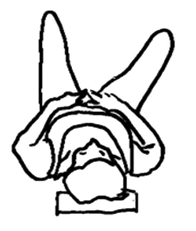
5+ repetitions, x3, 2-3 times daily
4. Static Quads
|
|
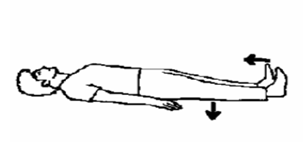
5. Inner Range Quads
|
|
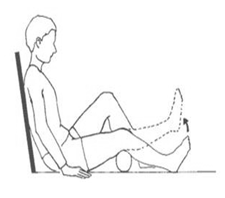
6. Straight Leg Raise
|
|
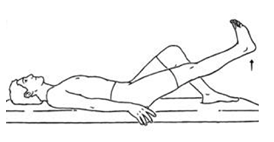
5+ repetitions, x3, 2-3 times daily
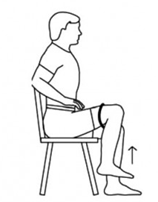
7. Seated Marching
|
|
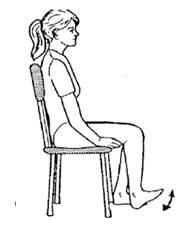
8. Seated Ankle Pumps
|
|
9. Seated Straight Leg Raise
|
|
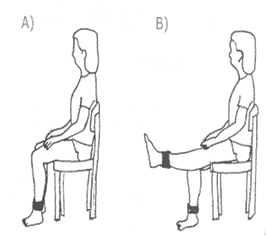
5+ repetitions, x3, 2-3 times daily
10. Sit to Stand
|
|
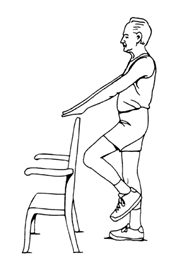
11. Marching on the Spot
|
|
12. Hip Abduction
|
|
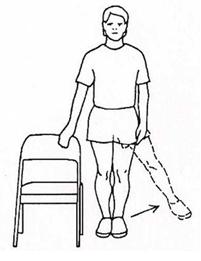
5+ repetitions, x3, 2-3 times daily
Contact us for any queries / concerns:
| Advanced Colorectal Nurse Practitioner / Enhanced Recovery Nurse | 07790894612 |
| Robin Ward (St. Peter’s Hospital) | 01932 723941 |
| Eliot Ward (Ashford Hospital) | 01932 724965 |
| Falcon Ward | 01932 722287 |
| Kingfisher Ward | 01932 722380 |
| Colorectal CNS Macmillan Patient Navigator | 01932 726856 |
| Preoperative Assessment Nurses | 09132 722080 09132 724007 |
| Stoma Care Specialist Nurse | 01932 722636 |
|
|
If your question requires an urgent response and it is outside of office hours, please contact your GP’s surgery, out of hours GP service or NHS 111. They can assess you and decide what further actions need to be taken. |


