

Psychological Risks Associated with Bariatric Surgery: This booklet contains a brief overview of the most common psychological risks associated with bariatric surgery. Please read this booklet carefully. It is important you know and understand this information before deciding whether bariatric surgery is the right thing for you, at this time.
Leaflet Details
| Title | Psychological Risks Associated with Bariatric Surgery |
| Department | Bariatric Surgery |
| Author(s) | Dr Esme Banting |
| Review Date | December 2022 |
| Next Review | December 2024 |
| Download | A5 Booklet PDF |
| Accessibility Options | Click on the Recite Me button to show our accessibility resources |
Patient Information
About this booklet
This booklet contains a brief overview of the most common psychological risks associated with bariatric surgery.
|
Please read this booklet carefully. It is important you know and understand this information before deciding whether bariatric surgery is the right thing for you, at this time. |
You may also find it useful to share the information in this booklet with key people in your support network.
If there is anything you are concerned about after reading this booklet, or anything you do not fully understand please contact the service and ask to speak to a member of the Psychology Team.
How to contact us
Telephone: 01784 884 620
Next steps
In addition to reading this booklet you will be required to watch our Psychology and Bariatric Surgery Education Session.
If you have not received details about how to access this education session, please call the number above.
The Psychology Team
Who we are

Dr. Esme Banting (Clinical Psychologist)
Dr. Emily Bakowski (Clinical Psychologist)

Dr. Claire Henry (Clinical Psychologist)
Why Bariatric Surgery?
Bariatric surgery can be an effective tool to support people lose weight and improve their health. However, this surgery is only a tool.
Weight loss and weight loss maintenance (especially longer term) is dependent on making and sustaining diet and lifestyle changes.
Bariatric surgery often leads to many positive outcomes in terms of weight, health, and quality of life. However, this is a life changing procedure and can be a difficult journey with unexpected consequences.
We want to provide you with information about some of the risks and challenges that can be associated with bariatric surgery. This information will help you make an informed decision about whether this is the right surgery for you at this time.
Whilst we have made every effort to make the information we provide as comprehensive as possible, the psychological risks listed in this booklet are not exhaustive.
Human behaviour is complex, and it is therefore not possible to accurately predict how any individual will respond to having bariatric surgery.
|
The Psychology Team are here to offer support before and after surgery. If there is anything you would like to ask or discuss, please do not hesitate to get in touch. |
Emotional Eating
Eating in response to emotions is common; however, this can be problematic if it is your only way of coping with emotions or if it is happening regularly enough to negatively impact your health and wellbeing.
If patterns of emotional eating are not addressed prior to bariatric surgery, there is a chance this could get in the way of you achieving the long-term outcomes you are hoping for.
We recommend that people have a range of alternative ways to cope with emotions that do not involve food and that they have practiced and feel confident using these alternative methods before they have bariatric surgery.
|
We offer an Emotional Eating Workshop designed to help people understand why they emotionally eat and develop a range of alternative ways to respond. Alternatively, you can arrange an appointment with the psychology team to discuss this on an individual basis. Please call: 01784 884 620. |
Binge Eating
Binge eating happens when people eat a large amount of food in a short period of time and feel they lose control when they are eating. This can include eating quickly, in secret and feeling guilty and ashamed after eating.
If you recognise these symptoms and if this pattern of eating happens on a regular basis there is a chance this could get in the way of you achieving the long-term outcomes you are hoping for.
We recommend you seek support to address patterns of binge eating prior to having bariatric surgery.
|
Books: Overcoming Binge Eating (by Chris Fairburn) You can arrange an appointment with the psychology team to discuss this on an individual basis. Please call: 01784 884 620. |
Nighttime eating
- Do you eat most of your food at night (after 10pm)?
or
- Do you wake up and eat at night on a regular basis?
Patterns of night eating can develop for a number of reasons.
However, the body isn’t well adapted to process food properly at night and these patterns can get in the way of people achieving the outcomes they want after bariatric surgery.
If you recognise patterns of nighttime eating, we recommend that you seek support to address this prior to having bariatric surgery.
| To arrange an appointment with the psychology team please call: 01784 884 620. |
Eating Disorders
Bariatric surgery is not a suitable operation for anyone who has an eating disorder. This includes Anorexia Nervosa, Bulimia Nervosa and Binge Eating Disorder.
For more information about different types of eating disorders and their symptoms please visit: Types of Eating Disorder (https://www.beateatingdisorders.org.uk/get-information-and-support/about-eating-disorders/types/)
|
It is important to let the team know if you are experiencing symptoms of an eating disorder or if you have experienced an eating disorder in the past. This is because for some people bariatric surgery can act as a trigger for the re-emergence of eating disorder symptoms and this can put your health at risk. |
Very occasionally, people can become obsessive about losing weight after bariatric surgery and anxious about weight regain. This can lead to disordered eating patterns and in rare cases the development of an eating disorder.
Following bariatric surgery, the aim is to get a balance between being on track with post-surgery eating whilst not being overly obsessive so that weight loss dominates your life.
If you have any concerns about your eating after bariatric surgery, please contact the team.
General difficulties with eating
Listed below are some other difficulties with eating that people may experience after bariatric surgery:
- Loss of enjoyment and interest in food
- Increased anxiety about eating certain foods
- Change in taste preferences, difficulty tolerating certain textures
- Missing certain foods
- Anxiety about eating out or eating in social situations
- Feeling overwhelmed by thoughts about food and eating
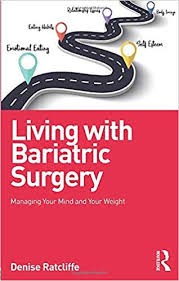
For more information about how to prepare for having bariatric surgery we recommend you read ‘Living with Bariatric Surgery’ by Dr. Denise Ratcliffe
Mental Health
Bariatric surgery is a life changing procedure which can have a profound impact on a person’s mental health and wellbeing.
It can be a tough journey with lots of unexpected consequences. It is essential that any mental health difficulties you might have are stable and that you are receiving good support to manage this.
For more information about bariatric surgery and mental health please watch the Psychology and Bariatric Surgery Education Session.
To access support for your mental health please speak to your GP.
Please find details of some local mental health organisations listed below:
|
Many people experience an improvement in their mental health after bariatric surgery. However, it is important to know that this is not always the case.
Here are some common reasons that people report a deterioration in their mental health after bariatric surgery:
- They still feel dissatisfied with their body image
- They have difficulty dealing with excess skin
- Their expectations about how life would change after surgery have not been met (e.g., they still lack confidence or experience pain)
- They are struggling to follow the recommended diet and lifestyle guidelines
- They don’t have other effective ways of managing difficult thoughts and feelings and their main coping strategy of food has been taken away
- The way they feel about themselves as a person changes or it changes aspects of their relationships
- They feel more vulnerable as they receive increased attention from others
- They are struggling to cope with surgical complications or eating difficulties
- They are disappointed with the amount of weight loss achieved or with weight regain over time
- Bariatric surgery hasn’t made them ‘happy’.
Would your mental health prevent you following the necessary diet and lifestyle recommendations?
It is important to consider whether your mental health could affect your ability to follow the diet and lifestyle recommendations after bariatric surgery.
If you are concerned that your mental health could impact your ability to follow the post-surgery guidelines it is important you discuss this with a member of the team.
To arrange an appointment with the psychology team please call: 01784 884 620.
Mental Health Medication
Bariatric surgery can affect the absorption of some medications. If you are prescribed any medication for your mental health, it is important to discuss this with the team and your medication provider (usually your GP or Psychiatrist).
We recommend you and your medication provider meet regularly after bariatric surgery to assess whether your medication dosage needs adjusting.
Some mental health medications also increase appetite or impact metabolism and could therefore result in sub-optimal outcomes from bariatric surgery.
If you require further information about this please call Frimley Park Pharmacy Medicines Information Line on 01276 526 751 or speak to a member of the Psychology Team.
Self-harm and suicide
Research suggests that there is an increased risk of people experiencing suicidal thoughts and thoughts of wanting to self-harm after bariatric surgery.
This can be especially so for people who have experienced these thoughts and feelings in the past.
If you are currently self-harming or having thoughts about wanting to end your life it is vital that you seek urgent support.
|
If you currently feel at risk to yourself or others, please contact your GP urgently. If it is outside of your GP’s opening hours, you can contact:
Alternatively, you can go to your local A&E Department. |
Please note that Ashford and St Peter’s Bariatric Surgery Team is not an emergency service and support is only available during working hours.
Alcohol and substance dependency after bariatric surgery
How much alcohol do you drink?
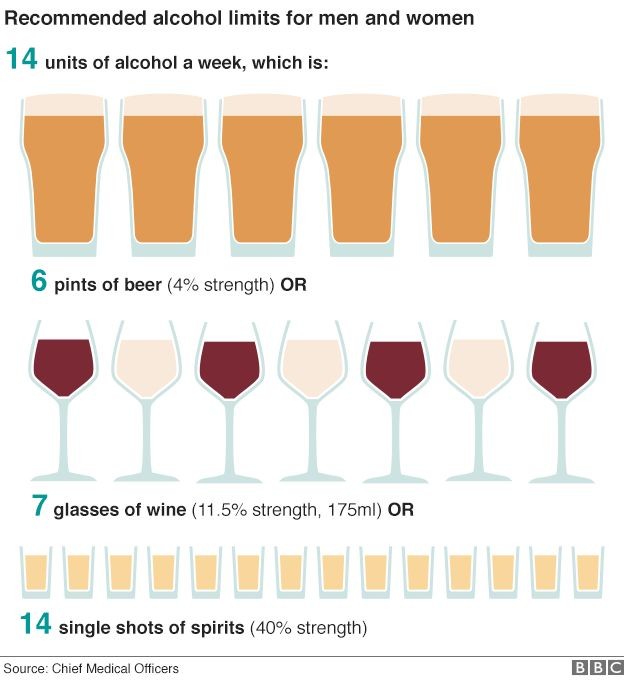
Please visit https://www.drinkaware.co.uk for further information about government recommended guidelines for drinking alcohol.
The Government currently recommends that you drink no more than 14 units of alcohol per week.
If you regularly drink over 14 units of alcohol, if you drink (even a small amount) most days or if you binge drink, we recommend that you reduce this to within government recommended guidelines prior to having bariatric surgery.
|
Bariatric surgery is not a suitable operation for anyone who is dependent on alcohol or other substances. |
What are the risks of drinking alcohol after bariatric surgery?
Research has shown that there is an increased risk of developing dependency on alcohol after bariatric surgery, in particular after a gastric bypass.
This includes in people who were never heavy drinkers before bariatric surgery.
|
You will be required to abstain from drinking any alcohol for 12 months after surgery. As Bariatric Surgery alters your metabolism it is likely that you will become intoxicated more quickly and from drinking much smaller amounts. If you are concerned about your alcohol intake or ability to abstain from drinking alcohol for 12months following Bariatric Surgery, please speak to a member of the team. |
Do you have a phobia of vomiting?
A phobia of vomiting (emetophobia) can put your health at risk after bariatric surgery if you become fearful and avoid eating.
We would always recommend that vomit phobia is treated prior to having bariatric surgery.
Treatment for vomit phobia usually consists of a short course of Cognitive Behavioural Therapy which you can access at your local IAPT service (see p. 10 or ask your GP if you live outside of Surrey).
Do you have a phobia of needles?
You will need an injection to administer your anaesthetic for bariatric surgery, as well as regular blood tests to manage your health.
You will be required to self-inject an anticoagulation treatment for two weeks immediately following surgery and you may also need a vitamin B12 injection every 3 months for the rest of your life following the operation.
We would always recommend that needle phobia is treated prior to having bariatric surgery.
Treatment for needle phobia usually consists of a short course of Cognitive Behavioural Therapy which you can access at your local IAPT service (see p. 10 or ask your GP if you live outside of Surrey).
Do you have difficulty swallowing tablets?
It is essential that you take daily vitamin and mineral supplements after bariatric surgery to maintain your health. These are usually taken in tablet form.
If this is a difficulty for you, please arrange an appointment with the Team to discuss options for support.
Body Image Concerns and Excess Skin
Having excess skin after bariatric surgery is one of the biggest concerns people have. Whilst we understand it is difficult to imagine exactly what it will be like; we do recommend you spend some time thinking about how you will cope with this.
When you lose weight with bariatric surgery you lose it much more quickly than through dieting alone and for most people, this rapid weight loss results in excess skin.
This affects different bodies in different ways. The most commonly affected areas are the tummy, arms and legs.
Excess skin can be hard to keep clean, it can get sore and can affect people’s mobility.
It can also impact people’s confidence and way they feel about their bodies.
- How concerned would you be about this?
- How might you cope?
|
If this is something you are concerned about and would like to discuss with a member of the team, please contact us to arrange an appointment. |


